plymouthchimney.comPlymouth ChimneyBlogCall (857) 567-3762
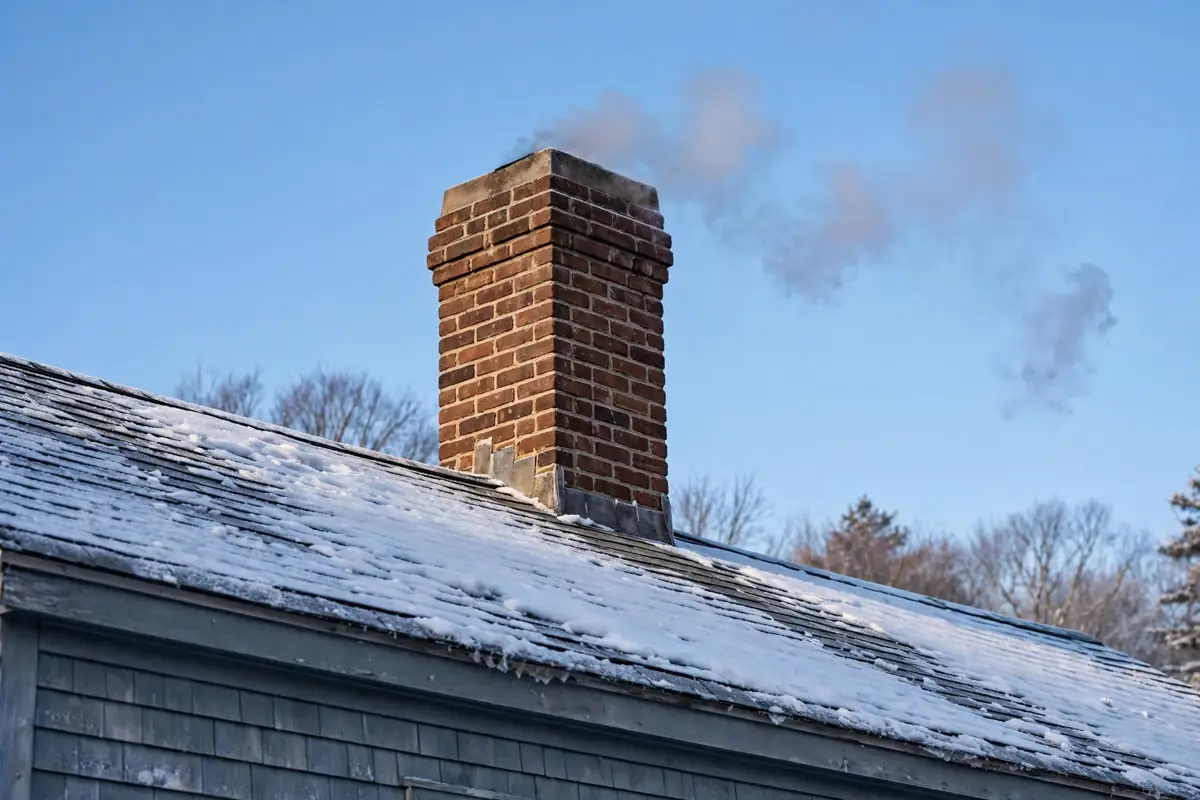
Brick chimney on a snow-covered New England house roof in Plymouth

Chimney guide • Plymouth, MA

Plymouth’s Oldest Chimneys: What 250 Years of Salt Air Does to Brick

Some Plymouth chimneys were already old when the town turned 100. Salt air, soft antique brick, and two centuries of freeze-thaw have opinions about how those stacks get repaired.
Call (857) 567-3762 Request a quote

A chimney built in 1790 was laid with soft, hand-made brick and lime mortar that flexes. Most modern repair materials are harder than that brick — and harder wins, which is exactly the problem. Here’s what age and salt do, and what a repair needs to respect.

1

Salt doesn’t just sit on brick — it works inside it

Ocean air carries salt into the pores of the brick. When it dries, salt crystals grow and push the brick apart from the inside. On the coast this never stops, which is why a Plymouth chimney can look fine for decades and then start shedding faces all at once.

2

Antique brick is soft, and that’s by design

Hand-made colonial brick was fired at lower temperatures than modern brick. It’s softer and more porous — and it was meant to be paired with soft lime mortar, so the mortar gives before the brick does. The system works until someone “fixes” it with harder materials.

3

The Portland cement mistake

The most common damage we see on old Plymouth stacks isn’t age — it’s a past repointing with hard Portland cement. The cement doesn’t give, so the soft brick takes all the movement and spalls. If your old chimney was repointed in the last 40 years and the brick faces are now popping off, this is usually why.

4

What spalling actually looks like

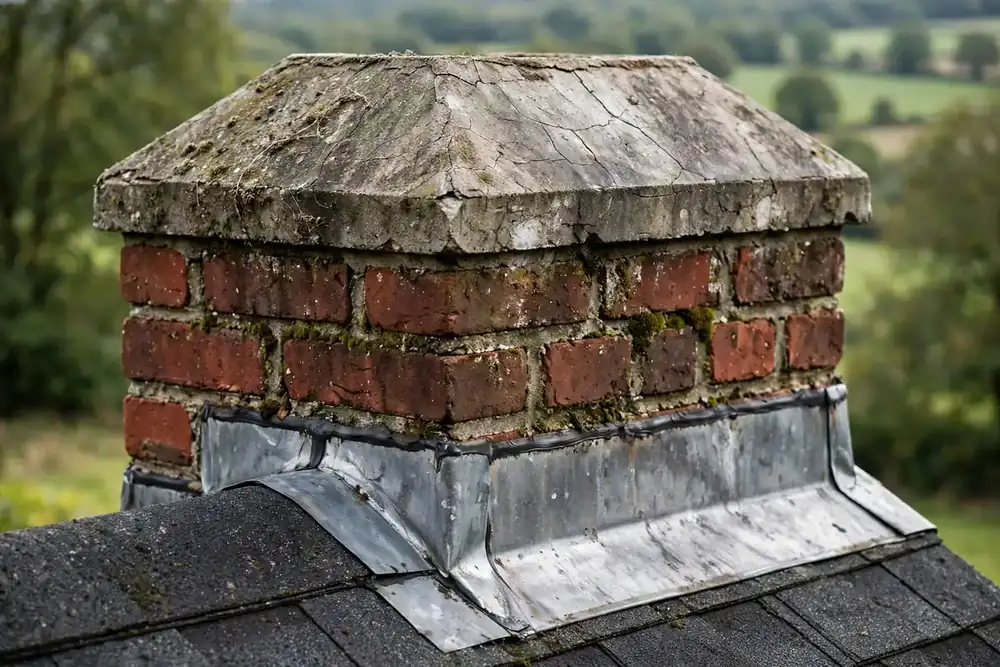
The flat face of the brick flakes or peels away, leaving a rough, recessed surface. Early on it’s cosmetic. Left alone, water gets deeper with every cycle and the brick loses structural section. Catch it at the flaking stage and the brick can usually be saved.

5

What a sympathetic repair looks like

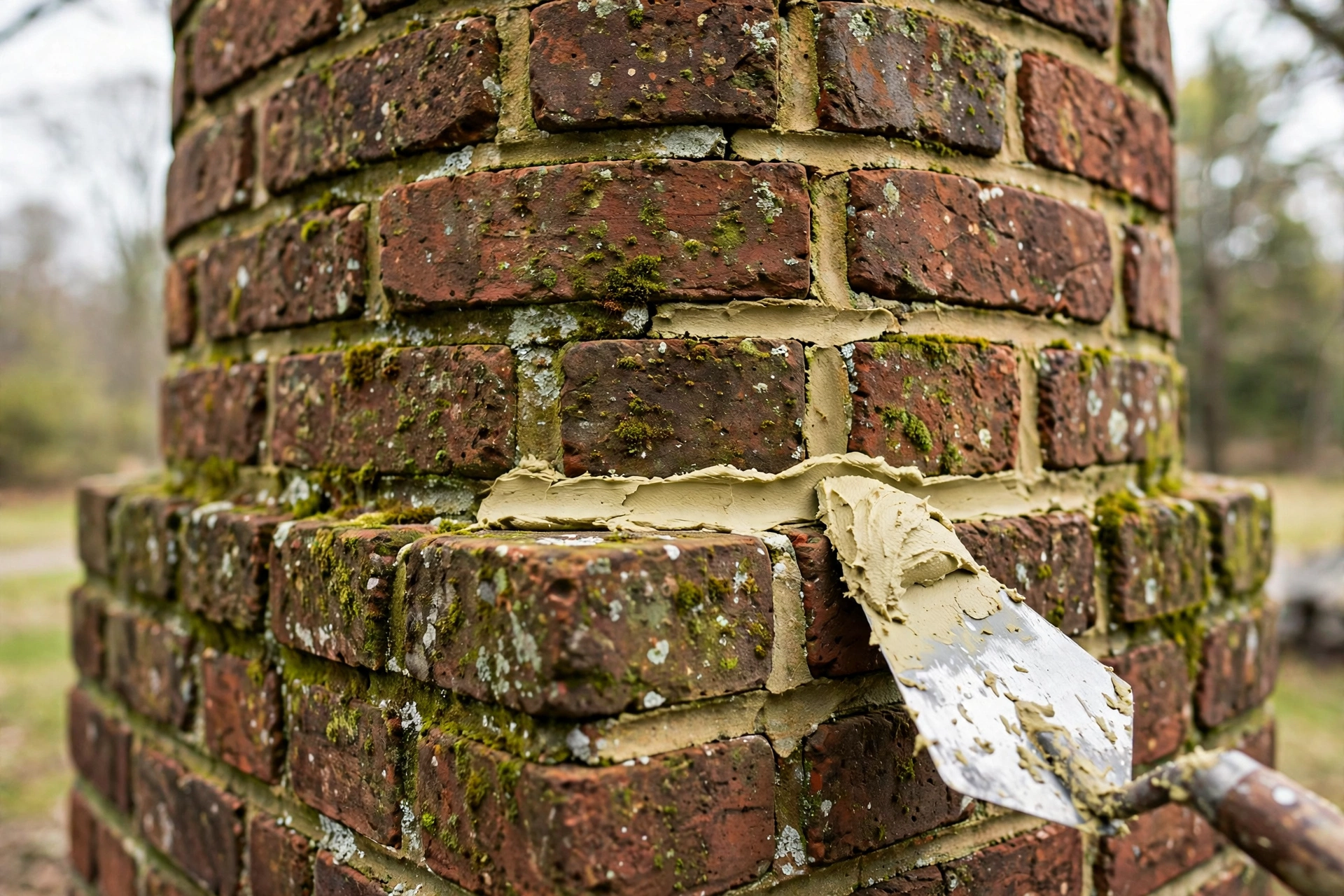
Lime-based mortar matched to the original — softer than the brick, so the joint stays the sacrificial part. Damaged bricks get replaced with reclaimed or matching antique brick, not modern hard stock. It costs more attention, not necessarily more money, than a standard repoint.

What to do tonight

Look at the faces of the brick, especially on the ocean-facing side. Flaking or peeling faces mean the brick is losing the fight — and if the mortar joints look newer and harder than the brick, say so when you call (857) 567-3762. That detail changes the entire repair plan.

Keep reading

Request a quote

This site is protected by reCAPTCHA and the Google Privacy Policy and Terms of Service apply.

Questions? Call (857) 567-3762