plymouthchimney.comPlymouth ChimneyBlogCall (857) 567-3762
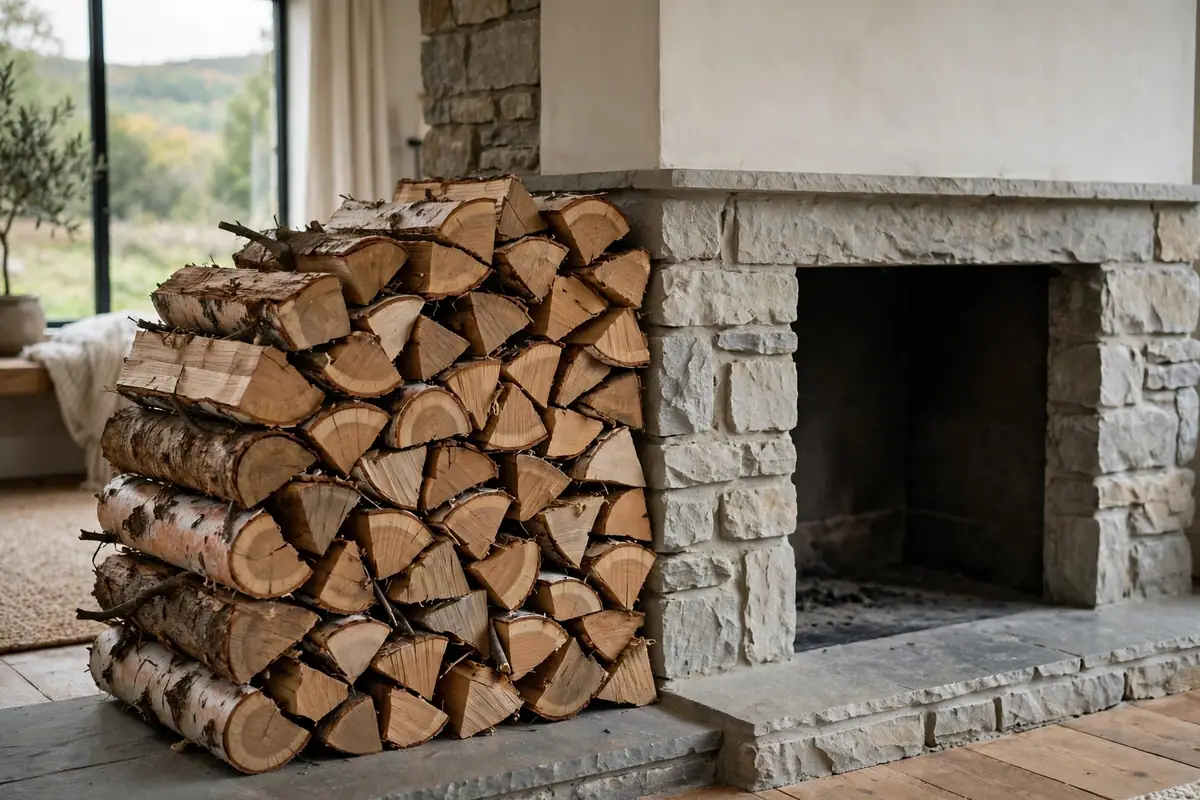
Neatly stacked firewood beside a clean fireplace opening

Chimney guide • Plymouth, MA

Burning Wood in a 1700s Fireplace: Creosote, Draft, and Old Flues

A 1700s fireplace is a beautiful, inefficient machine: a huge firebox, a massive flue, and smoke that cools long before it exits. That combination grows creosote faster than any modern stove.
Call (857) 567-3762 Request a quote

Creosote forms when smoke cools and condenses on flue walls. Colonial flues are oversized by modern standards, so smoke cools quickly — which means more condensation, more creosote, and a shorter fuse between cleanings than most owners expect.

1

Big firebox, cool flue, fast buildup

Modern stoves keep flue gases hot; an open colonial fireplace doesn’t. Cooler gases mean more creosote condensing per fire. If you burn regularly in an antique fireplace, think of it as needing attention more often, not less, than a modern setup.

2

The three stages, and why stage 3 is different

Stage 1 is flaky soot a brush removes. Stage 2 is hard, crunchy flakes. Stage 3 is a glazed tar coating that a brush won’t touch — it needs mechanical removal, and it’s the stage that fuels chimney fires. Old, cool flues reach stage 3 faster.

3

Unlined flues change the stakes

Many colonial chimneys have no clay liner — just brick. Creosote soaks into brick, and a chimney fire in an unlined flue attacks the masonry directly. If nobody has ever confirmed your flue is lined, that’s the first question to answer, before the first fire of the season.

4

Signs you’re overdue

Smoke smell in the room when the fireplace is cold, black flakes dropping into the firebox, a draft that’s weaker than it used to be, or visible shiny buildup when you shine a light up the flue. Any one of these means stop burning until it’s inspected.

5

What doesn’t fix it

A roaring hot fire to “burn it clean” is how chimney fires start — you’d be igniting the creosote on purpose. Chemical logs loosen light soot but don’t replace a sweep and won’t touch glazed buildup. Old flues especially: there’s no shortcut around looking up there.

What to do tonight

Fireplace cold, damper open, flashlight up the flue. Dusty black is a routine sweep. Shiny or tarry means don’t burn until it’s been inspected — call (857) 567-3762. And if you don’t know whether your flue is lined, ask us to check that first; it determines everything else.

Keep reading

Request a quote

This site is protected by reCAPTCHA and the Google Privacy Policy and Terms of Service apply.

Questions? Call (857) 567-3762